
Fall is a good time for businesses to think about something that often gets overlooked until the first stretch of cold weather: the additional electrical demands winter can place on a commercial property.
Heating equipment, exterior lighting, electric heaters, roof and gutter de-icing systems, snow-melting equipment, and other seasonal loads can change how much electricity a building uses.
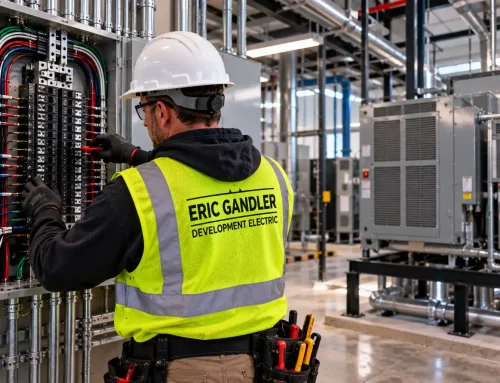
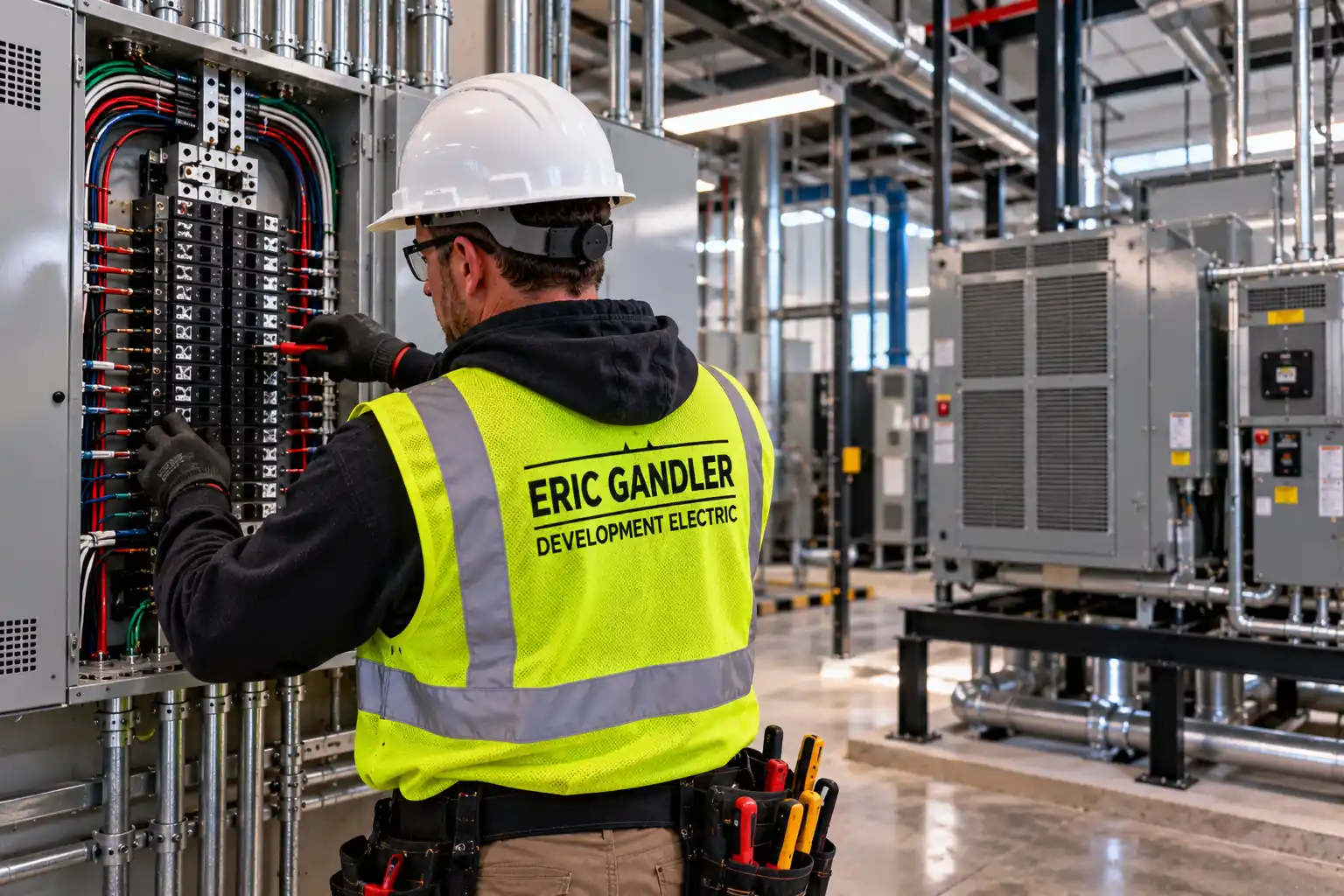
For businesses searching for Eric Gandler Clifton Park commercial electrical services, Development Electric can help evaluate electrical systems before winter conditions put additional demands on the building.
Why Winter Changes a Building’s Electrical Demand
Commercial properties don’t necessarily use electricity the same way throughout the year.
As temperatures fall, certain equipment may begin operating longer or more frequently. Businesses may also introduce seasonal electrical loads that weren’t being used during the warmer months.
Depending on the property, those loads can include:
- Electric heating equipment
- Unit heaters
- Heat-trace systems
- Roof and gutter de-icing equipment
- Snow-melting systems
- Additional exterior lighting
- Portable or supplemental heating equipment
- Cold-weather equipment in warehouses and loading areas
Individually, these systems may not seem significant. Together, they can place additional demand on the electrical infrastructure.
Be Careful With Supplemental Electric Heat
A cold office, warehouse corner, reception area, or work station sometimes leads employees to reach for a portable electric heater.
That can create problems if the circuit wasn’t designed to support the additional load.
Multiple heaters connected to circuits already powering computers, office equipment, or other devices can contribute to overloaded circuits and repeated breaker trips.
If areas of a commercial property routinely require supplemental heat, it may be better to evaluate the underlying electrical and heating requirements rather than relying on an assortment of portable heaters.
Check Exterior Lighting Before the Days Get Shorter
Winter also means fewer daylight hours in Clifton Park.
Parking lots, entrances, sidewalks, loading areas, signs, and building exteriors may depend on lighting for significantly longer periods each day.
Fall is a good opportunity to inspect commercial exterior lighting and address failed fixtures, damaged equipment, or areas that aren’t adequately illuminated.
Businesses with older lighting systems may also want to consider LED upgrades that can reduce energy consumption and maintenance requirements.
What About Roof and Gutter De-Icing Systems?
Some commercial properties use electric heat-trace cables or other systems to help control ice in vulnerable areas.
These systems can require dedicated electrical circuits and appropriate controls.
If you’re adding de-icing equipment to a commercial property, don’t assume an existing outlet or circuit is automatically suitable.
The electrical requirements should be evaluated before the equipment is installed.
Outdoor Electrical Equipment Takes a Beating
Winter weather is hard on equipment located outside.
Moisture, snow, ice, freezing temperatures, and repeated freeze-thaw cycles can expose weaknesses in exterior electrical components.
Before winter, businesses should pay attention to outdoor:
- Receptacles
- Disconnects
- Lighting
- Conduit
- Electrical enclosures
- Equipment connections
Damaged covers, loose components, or signs of water intrusion shouldn’t be ignored.
Winter Is a Bad Time to Discover a Weak Electrical System
Electrical problems are disruptive at any time of year.
They’re especially inconvenient when temperatures are below freezing and the affected equipment supports heating, lighting, building operations, or critical commercial equipment.
An electrical issue that might be manageable during mild weather can become much more urgent during a cold spell.
That’s one reason preventative electrical maintenance can be valuable before winter arrives.
Look at the Entire Building, Not Just One Circuit
If breakers repeatedly trip when seasonal equipment is operating, the solution isn’t necessarily to install a larger breaker.
The actual electrical load and the system supplying it need to be evaluated.
A commercial electrician can determine whether the problem involves an individual circuit, the equipment itself, a panel, available electrical capacity, or another part of the system.
The objective should be to find the cause—not simply eliminate the symptom.
Fall Is a Good Time for Preventative Electrical Maintenance
Waiting until the coldest day of the year to discover an electrical problem isn’t ideal.
Before winter, businesses can have electrical systems evaluated for potential concerns such as aging components, loose connections, overloaded circuits, deteriorating exterior equipment, or insufficient capacity for planned seasonal loads.
Problems discovered in advance can often be addressed on a planned schedule rather than during an emergency.
Eric Gandler Clifton Park Commercial Electrical Services
Preparing a commercial building for winter involves more than checking the heating system.
If you’re searching for Eric Gandler Clifton Park commercial electrical services, Development Electric can help evaluate your building’s electrical infrastructure and identify potential problems before colder weather arrives.
With more than 25 years of commercial and industrial electrical experience, Eric Gandler provides electrical troubleshooting, preventative maintenance, lighting upgrades, panel and service upgrades, dedicated circuits, equipment connections, and other commercial electrical services throughout Clifton Park and the Capital Region.
Get your commercial electrical system ready before winter. Contact Eric Gandler Development Electric.