Most business owners don’t spend much time thinking about electrical transformers. As long as the lights are on and equipment is running, it’s easy to overlook the components responsible for delivering the correct voltage throughout a commercial building.
However, transformers play an important role in many commercial and industrial electrical systems.
From office buildings and retail spaces to warehouses and manufacturing facilities, transformers help make electricity available at the voltages required by different equipment.
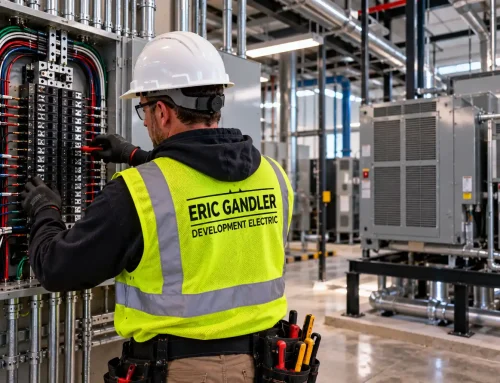
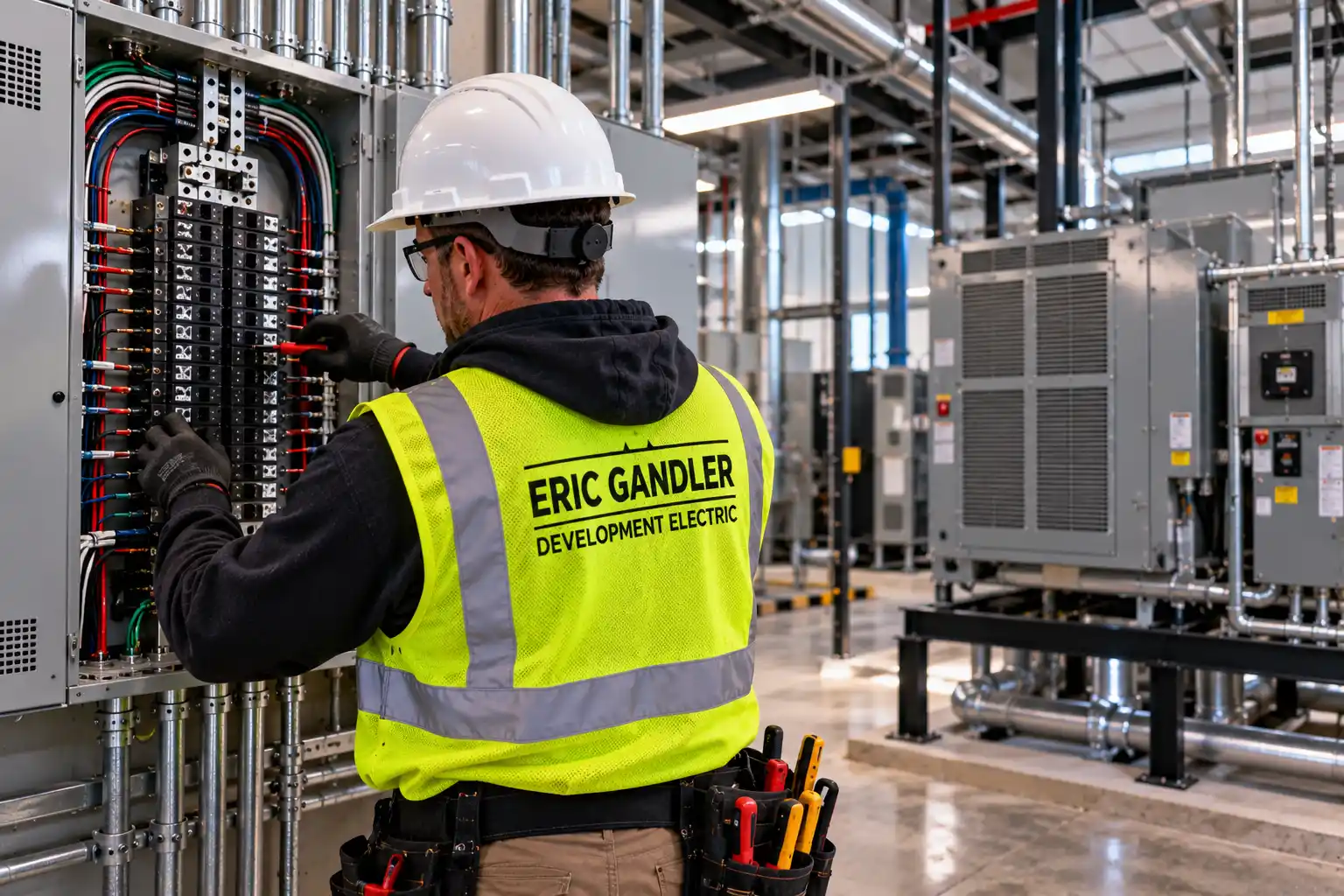
For businesses searching for Eric Gandler Clifton Park commercial electrical services, Development Electric provides experienced electrical installations, troubleshooting, maintenance, and upgrades throughout Clifton Park and the Capital Region.
What Does an Electrical Transformer Do?
An electrical transformer changes alternating-current voltage from one level to another.
Commercial buildings often require different voltages for different purposes.
For example, a facility may need higher-voltage power for machinery and HVAC equipment while also requiring lower-voltage power for lighting, receptacles, and ordinary office equipment.
Transformers help make those different voltage levels available within the electrical distribution system.
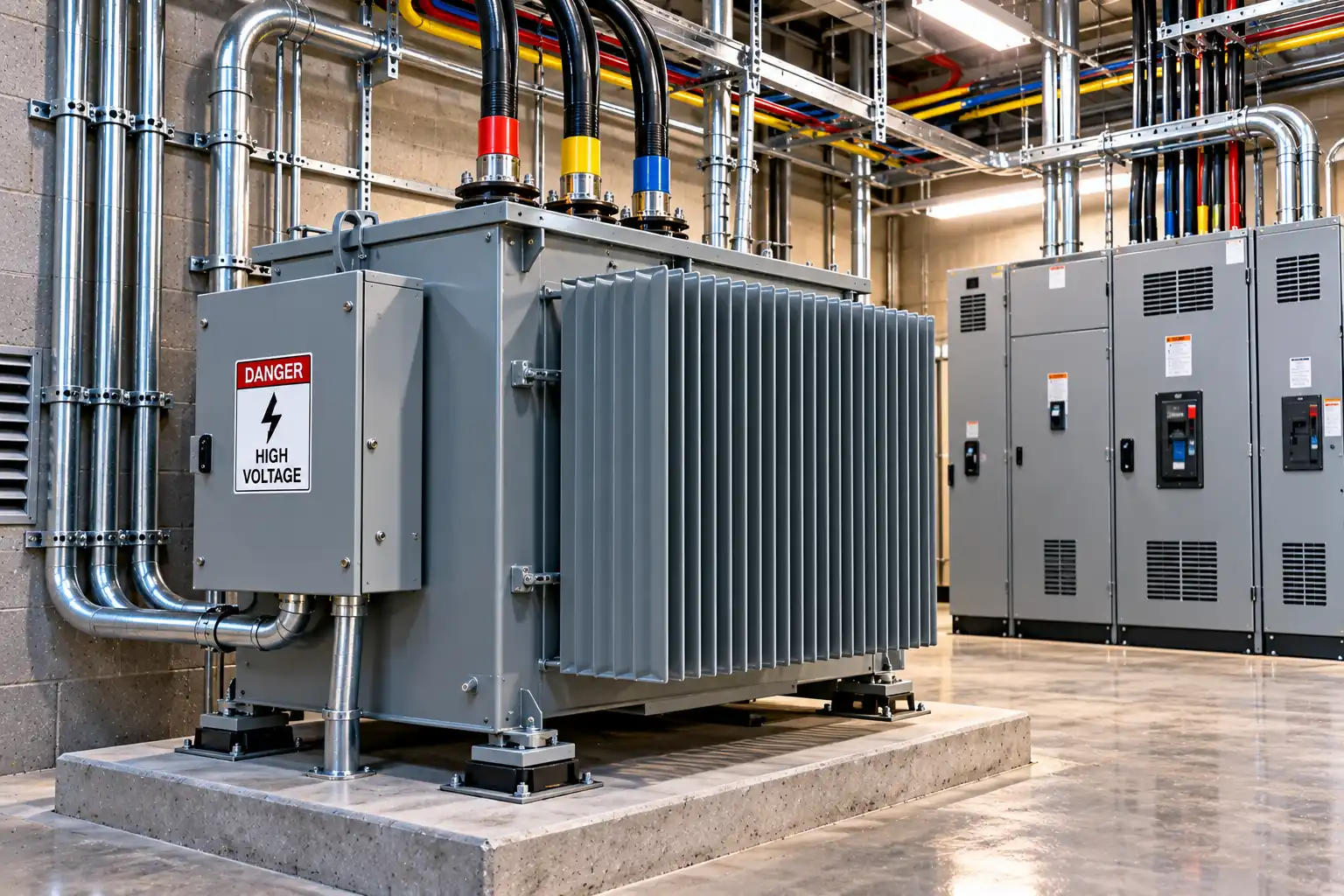
Depending on the facility, transformers may be installed inside electrical rooms, near machinery, or as part of the building’s larger power distribution infrastructure.
Why Do Commercial Buildings Need Transformers?
Not every piece of equipment operates at the same voltage.
A commercial building might contain:
- Office computers and printers
- Commercial lighting
- HVAC systems
- Refrigeration equipment
- Manufacturing machinery
- Motors and compressors
- Specialized industrial equipment
- Building automation systems
Some equipment can operate directly from the building’s available electrical supply. Other equipment may require a different voltage.
Transformers can provide the appropriate voltage as part of a properly designed electrical installation.
Adding Equipment Can Create New Transformer Requirements
Businesses frequently add equipment as they grow.
A warehouse may install new machinery. A manufacturing facility might expand production. A commercial property may add specialized equipment that operates at a voltage different from the existing distribution system.
Before that equipment is installed, it’s important to determine whether the building can provide the required electrical power.
In some situations, a transformer may be needed.
In others, an existing transformer may have sufficient capacity to support the additional load.
An experienced commercial electrician can evaluate the electrical requirements and determine what changes may be necessary.
Transformers Have Capacity Limits
Like other electrical equipment, transformers are designed to operate within specific ratings.
A transformer that was appropriately sized when a building was constructed may eventually be asked to support additional electrical loads.
Over time, renovations, tenant changes, and equipment additions can increase the demands placed on the electrical system.
Operating a transformer beyond its intended capacity can contribute to excessive heating and other problems.
That’s why transformer capacity should be considered when planning significant electrical additions.
Why Is My Commercial Transformer Humming?
Transformers commonly produce an audible humming sound during normal operation.
This sound is generally associated with the magnetic activity occurring inside the transformer.
A certain amount of humming is normal.
However, a significant change in sound, unusually loud buzzing, vibration, or other unfamiliar noises may deserve professional attention.
The important distinction is whether the sound is consistent with the transformer’s normal operation or represents a noticeable change.
Excessive Heat Can Be a Warning Sign
Transformers generate heat during normal operation.
Their design accounts for this, and proper installation includes consideration of ventilation, clearances, and environmental conditions.
However, unusually high temperatures can indicate potential problems involving loading, ventilation, connections, or equipment condition.
Business owners shouldn’t attempt to open transformer enclosures or investigate internal electrical components.
If a transformer appears to be overheating or producing unusual odors, have it evaluated by a qualified electrical professional.
Transformer Location Matters
Commercial transformers need to be installed in locations appropriate for their design and operating requirements.
Depending on the equipment, important considerations can include:
- Adequate ventilation
- Required electrical clearances
- Protection from physical damage
- Accessibility for maintenance
- Environmental conditions
- Noise and vibration
- Applicable electrical codes
Transformers shouldn’t be surrounded by stored materials or obstructed by building modifications.
For commercial property managers, maintaining appropriate access to electrical equipment is an important part of facility maintenance.
Renovations Can Change Electrical Distribution Needs
When commercial buildings undergo renovations, the electrical system may need to support new layouts, equipment, and operating requirements.
A space previously used for storage may become a production area.
An office may be converted into a medical facility.
A retail location may be renovated for a business with specialized equipment.
These changes can introduce electrical requirements that weren’t part of the building’s original design.
Evaluating existing transformers and electrical distribution equipment early in the renovation process can help identify necessary improvements before construction begins.
Preventative Maintenance Helps Identify Developing Problems
Transformers are generally designed for long-term service, but that doesn’t mean they should be ignored indefinitely.
Depending on the installation, preventative electrical maintenance may include evaluating:
- Equipment condition
- Signs of overheating
- Ventilation and airflow
- Electrical connections
- Unusual noise or vibration
- Physical damage
- Evidence of moisture intrusion
- Loading conditions
Appropriate inspections and testing should be performed by qualified personnel following applicable electrical safety procedures.
For businesses that depend on continuous equipment operation, preventative maintenance can help identify potential problems before they contribute to unexpected downtime.
Plan Ahead Before Replacing a Transformer
Replacing a commercial transformer isn’t always a matter of installing an identical unit.
Equipment requirements, electrical loads, available space, and building usage may have changed since the original transformer was installed.
Before selecting a replacement, it’s important to evaluate both current electrical demand and reasonable future requirements.
This can help determine whether the replacement should match the existing capacity or whether changes to the electrical distribution system would be appropriate.
Eric Gandler Clifton Park Commercial Electrical Services
Electrical transformers are an important part of many commercial and industrial electrical systems.
Whether your business is adding machinery, renovating a building, experiencing electrical problems, or planning an expansion, understanding your existing electrical distribution infrastructure can help you make better decisions.
Businesses searching for Eric Gandler Clifton Park commercial electrical services can turn to Development Electric for more than 25 years of commercial and industrial electrical experience.
Eric Gandler Development Electric provides commercial electrical troubleshooting, power distribution, equipment connections, panel and service upgrades, preventative maintenance, electrical installations, and system improvements throughout Clifton Park and the Capital Region.
Planning an electrical upgrade or adding equipment to your commercial facility? Contact Eric Gandler Clifton Park Development Electric to discuss your project’s electrical requirements.